

 Polski
Keemun 2026 · 50 g
72,00 zł
Keemun is an elegant Chinese black tea from Qimen in Anhui province. Its velvety, gentle infusion combines natural sweetness with notes of cocoa, dried plums and delicate flowers, leaving a clean, sweetish finish.
In stock
Keemun – Red Velvet from Qimen
Let us go back to 1875. The small town of Qimen in Anhui province. A humid climate, frequent mists and mountainous terrain create exceptional conditions for growing tea here. It is in this very place that the story begins of a tea that would soon become one of the most recognizable Chinese black teas – and, in time, as many stories have it, would even win over the British court.
According to the most often told version, an official named Yu Ganchen, a native of Anhui, is working in Fujian province and there learns the secrets of black tea production. On returning to his home region, he decides to devote himself to tea. Instead of producing traditional green tea like everyone around him, he begins experimenting in Qimen with a method of production new to the region.
From these beginnings came the black tea of Qimen – Qimen Hongcha, known in the West as Keemun – one of the Ten Famous Teas of China. Its classic style is Qimen Gongfu Hongcha (祁门功夫红茶). The word gongfu here means skill and patience: the leaves are carefully rolled, and the finished tea is sifted and sorted again and again until only the most even and carefully twisted leaves remain. In the days of colonial trade, the English name Keemun Congou also took hold – “Congou” being a corruption of the word gongfu.
Our Keemun is a classic Qimen Gongfu Hongcha from the spring 2026 harvest. It comes from plantations in Qimen at around 600 m above sea level, from bushes of the small-leaf Xiao Ye Zhong variety.
Elegance captured in leaves
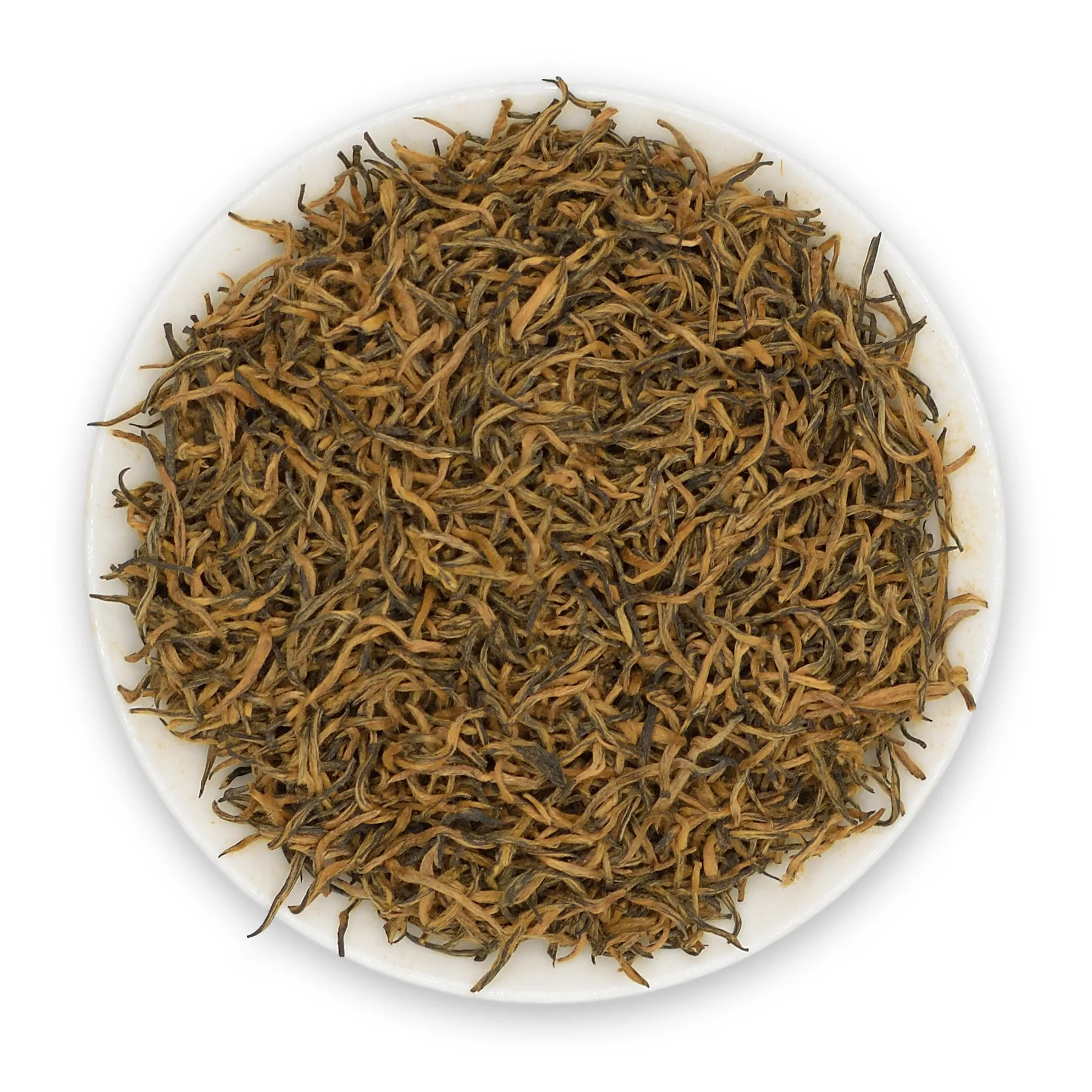
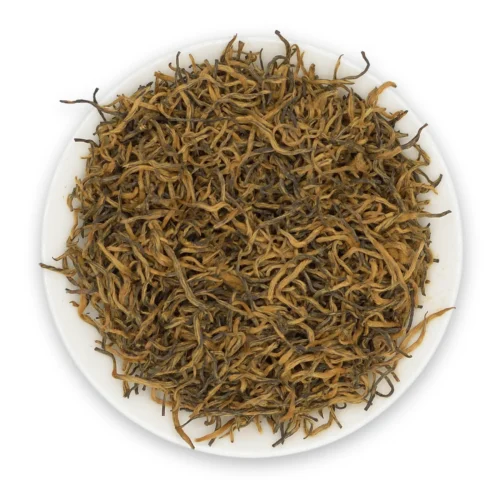
One look at the leaves is enough to see that this is an exceptional Keemun. Slender, twisted threads shimmer with the vivid gold of young buds, interwoven with dark brown and graphite. The whole gleams softly in the light, as if someone had woven golden velvet with a dark thread. It is the many light-colored buds that give this batch its remarkable appearance – and such a generous presence of them is what distinguishes the finest Keemun.
The dry leaves smell of cocoa, dried plums and flowers, with a barely perceptible woody note in the background.
The famous “Keemun aroma”
Keemun is famous for its distinctive fragrance, which the Chinese call qimen xiang (祁门香) and the West knows as the “Keemun aroma”. It is a rich composition of floral, fruity, honeyed and lightly cocoa notes that develops gradually in the cup.
Depending on the batch and production method it can take on different shades, but it is precisely this complexity and floral-fruity character that have long set Keemun apart among Chinese black teas.
A velvety taste
This Keemun can surprise anyone who associates black tea with astringency and sharpness. It is velvety smooth, with natural sweetness and a delicately fruity profile. The infusion is gentle and harmonious, with no pronounced bitterness. In the mouth it has a slightly creamy texture, and after a moment it leaves a clean, sweetish finish.
How to brew Keemun?
In a gaiwan or small teapot, use about 5 g of tea per 100 ml of water at 90–95°C. Start with short infusions of about 15–20 seconds, and gradually extend the time with each pour.
You can also prepare it in a larger pot or mug – 2–3 g of tea per 250 ml of water at the same temperature, steeped for 2–3 minutes.
It is worth trying it on its own first to appreciate its natural character. If you fancy a creamier version, you can add a dash of milk or sugar.
Keemun – Red Velvet from Qimen: deep, refined and remarkably aromatic.
Brewing at a glance
Gaiwan / small teapot: 90–95°C, 5 g per 100 ml; start with about 15–20 seconds, each infusion a little longer
Mug: 90–95°C, 2–3 g per 250 ml; about 2–3 minutes
These values are a starting point – by adjusting the proportions, temperature and steeping time, you will find your favorite taste.
| Country of origin | China |
|---|---|
| Province | Anhui |
| Tea region | Qimen |
| Cultivar | Xiao Ye Zhong (small-leaf) |
| Growing altitude | approx. 600 m above sea level |
| Harvest | Spring 2026 |
| Tea type | Black |
| Ingredients | 100% tea leaves |
| Net weight | 50 g |
| Storage instructions | Store in a cool, dry place, away from light, moisture and strong odors. |
Only logged in customers who have purchased this product may leave a review.
Related products
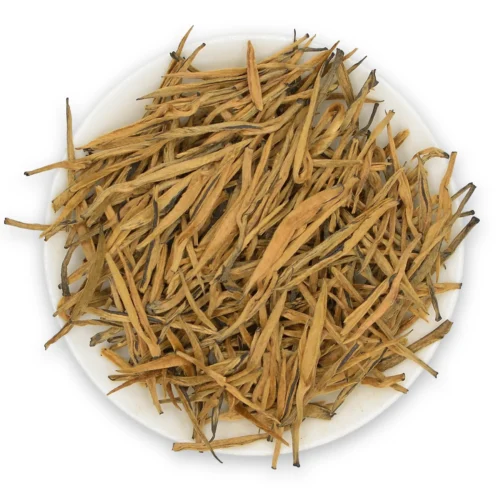
Black tea
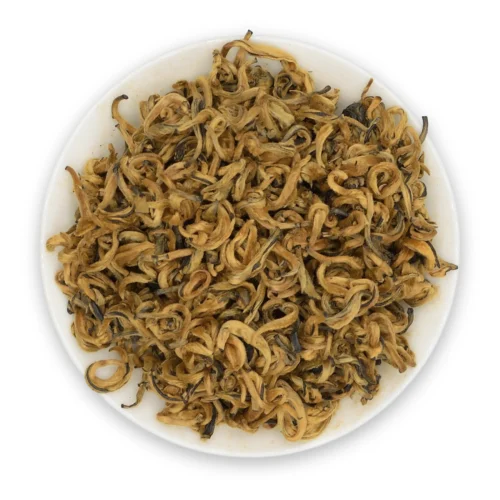
Black tea
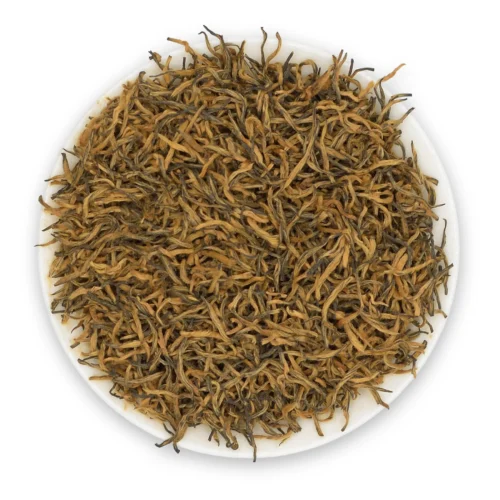
Black tea
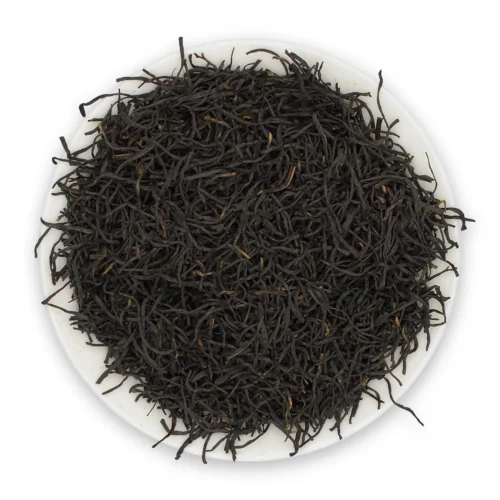
Black tea
Black tea
Reviews
There are no reviews yet.