

 Polski
Rou Gui 2026 · 50 g
57,00 zł
Rou Gui is one of the most distinctive rock oolongs from the Wuyi Mountains. Spicy notes of cinnamon, cloves and delicate pepper meet caramel sweetness, roasted nuts, mineral depth and a long hui gan.
In stock
Rou Gui – Cinnamon Rock from Wuyi
In the world of Wuyi teas you may hear the saying: “If you don’t know Rou Gui, you don’t know yan cha.” Yan cha are rock teas – one of the most distinctive and prized groups of Chinese oolongs. And among them, Rou Gui is like a rebel with a guitar slung over its shoulder – bold, self-assured and hard to forget. Its name means “cinnamon”, and that is no coincidence.
Our Rou Gui (武夷山肉桂) comes from the Wuyi Mountains, from the spring 2026 harvest. It was picked on plantations at around 350 m above sea level, from bushes of the Rou Gui cultivar – which is where the tea gets its name.
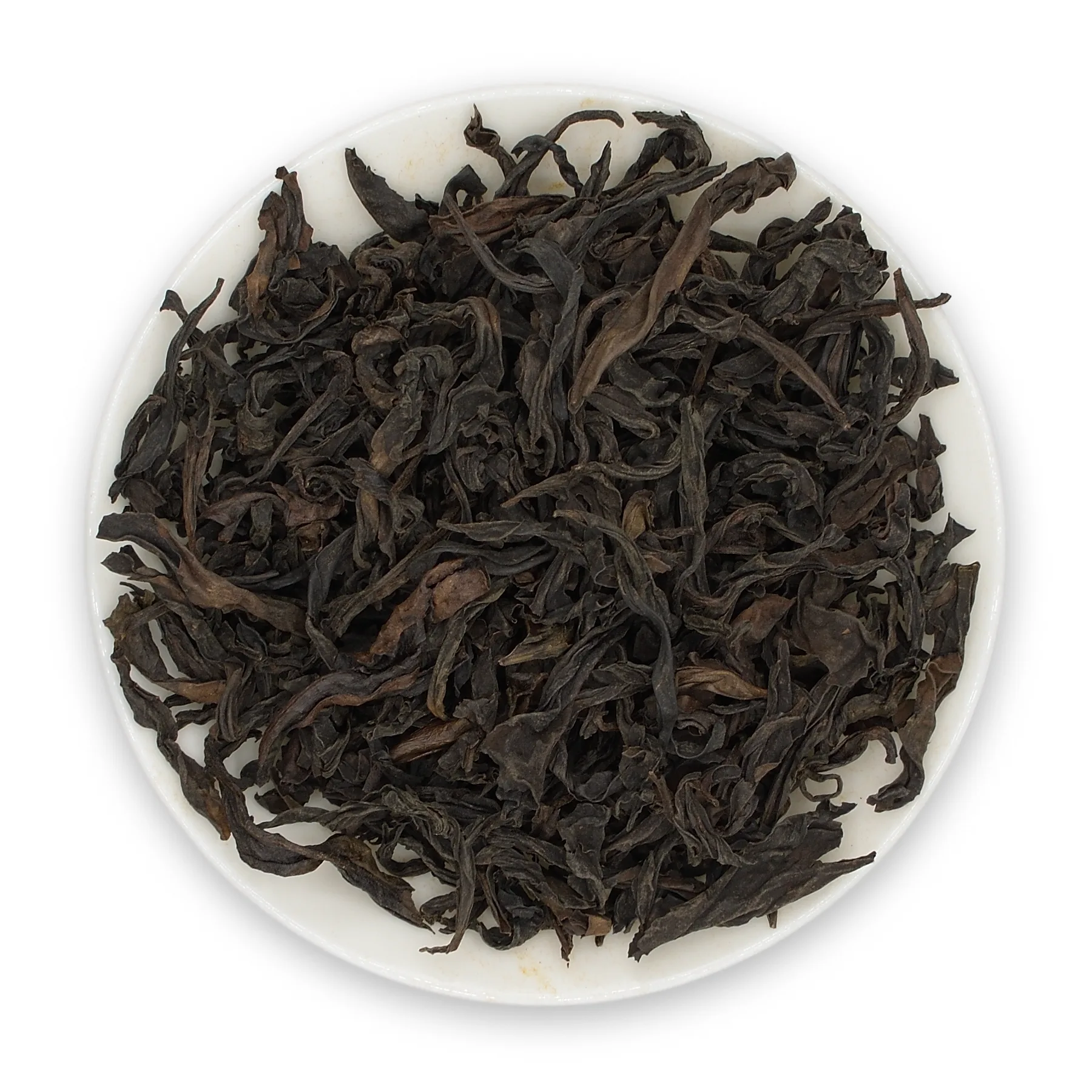
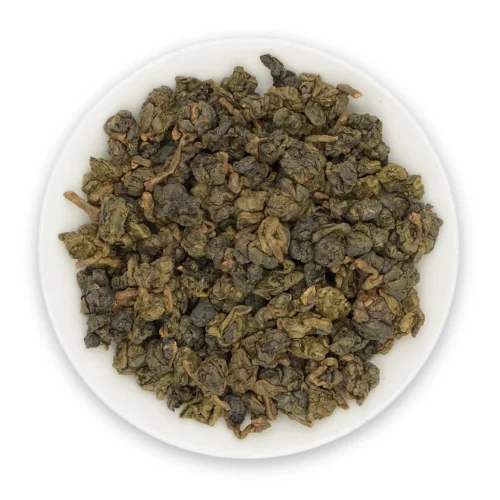
Its leaves are dark, long and coarsely twisted into irregular strands resembling twisted pieces of bark. Their color ranges from deep brown to almost black, with subtle reddish glints. In our batch they are large and well-formed, without fine dust – a valuable quality in rock teas. The dry leaves smell intriguing – you will pick up spicy notes, caramelized sugar and a distinct hint of cinnamon.
Where does Rou Gui’s character come from?
Rou Gui is one of the most recognizable rock teas from Wuyi. Its unique profile is the result of several elements combined: the cultivar, traditional processing and roasting, and the rocky terroir of the Wuyi Mountains.
The bushes grow in stony, mineral soil, and it is this environment that largely shapes the character of yan cha. In the taste and aroma you can find what the Chinese call yan yun (岩韵) – the “rock rhyme”, a mineral depth typical of good Wuyi teas that is hard to describe precisely. It is not about a literal taste of stone, but about a combination of minerality, structure and a long finish.
Traditional roasting also plays a major role. Rock teas can be exposed to heat many times, with the temperature and time carefully controlled. It is the fire that helps develop notes of roasting, spice and caramel, giving the tea extra fullness.
A taste that warms like a fireplace
The first sip of Rou Gui is assertive but not aggressive. First come spicy hints – cinnamon, cloves and a light note of pepper – quickly followed by caramel sweetness and the aroma of roasted nuts. With every moment the infusion gains intensity: notes of dark chocolate, dried fruit and a delicate toastiness join in.
Rocky minerality remains in the background throughout, giving the infusion structure. And when the taste fades, huigan appears – the returning sweetness that gradually fills the mouth and stays long after you swallow.
How to tame its cinnamon nature?
Rou Gui likes high temperatures, so it is worth brewing it with water at around 95–100°C. The gongfu cha method works best – in a small teapot or gaiwan.
Fill the vessel with leaves to roughly a third of its volume. You can discard the first quick pour – this is the moment when the leaves wake up and begin to release their aroma. The second infusion can last about 15–20 seconds; gradually extend the following ones. A good Rou Gui withstands several infusions, and the tightly twisted leaves open more and more with each one, revealing further layers of aroma. This is one of the pleasures of gongfu cha – the tea does not show everything at once.
No teapot or gaiwan? No problem. Rou Gui also works brilliantly in an ordinary mug or a larger infuser. Use about 3–4 g of leaves per 250 ml of water at 95–100°C and steep for about 2–3 minutes. If the infusion turns out too intense, shorten the time or use a few fewer leaves next time.
Rou Gui has bite, depth and a style of its own. It brings together spicy energy, roasted notes, minerality and a long, sweet finish in one unique profile.
Fancy a sip of liquid fire?
Brewing at a glance

Gaiwan / small teapot: 95–100°C, leaves to about 1/3 of the vessel; a quick rinse to awaken the leaves, then about 15–20 seconds, each infusion a little longer
Mug: 95–100°C, 3–4 g per 250 ml; 2–3 minutes, can be infused again
These values are a starting point – by adjusting the proportions, temperature and steeping time, you will find your favorite taste.
| Country of origin | China |
|---|---|
| Province | Fujian |
| Tea region | Wuyishan |
| Cultivar | Rou Gui |
| Growing altitude | approx. 350 m above sea level |
| Harvest | Spring 2026 |
| Tea type | Oolong |
| Ingredients | 100% tea leaves |
| Net weight | 50 g |
| Storage instructions | Store in a cool, dry place, away from light, moisture and strong odors. |
Only logged in customers who have purchased this product may leave a review.
Related products
Oolong
Reviews
There are no reviews yet.