

 Polski
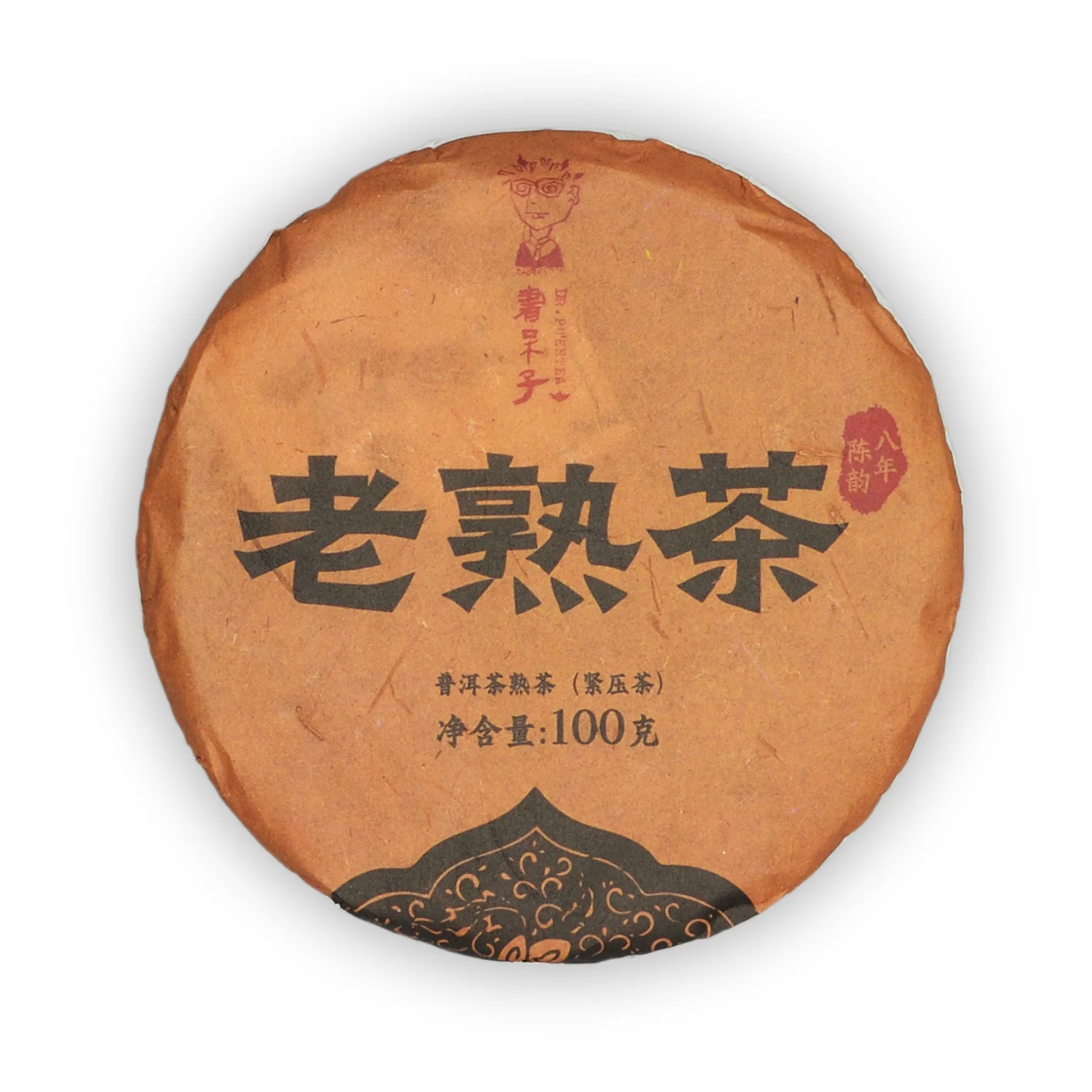
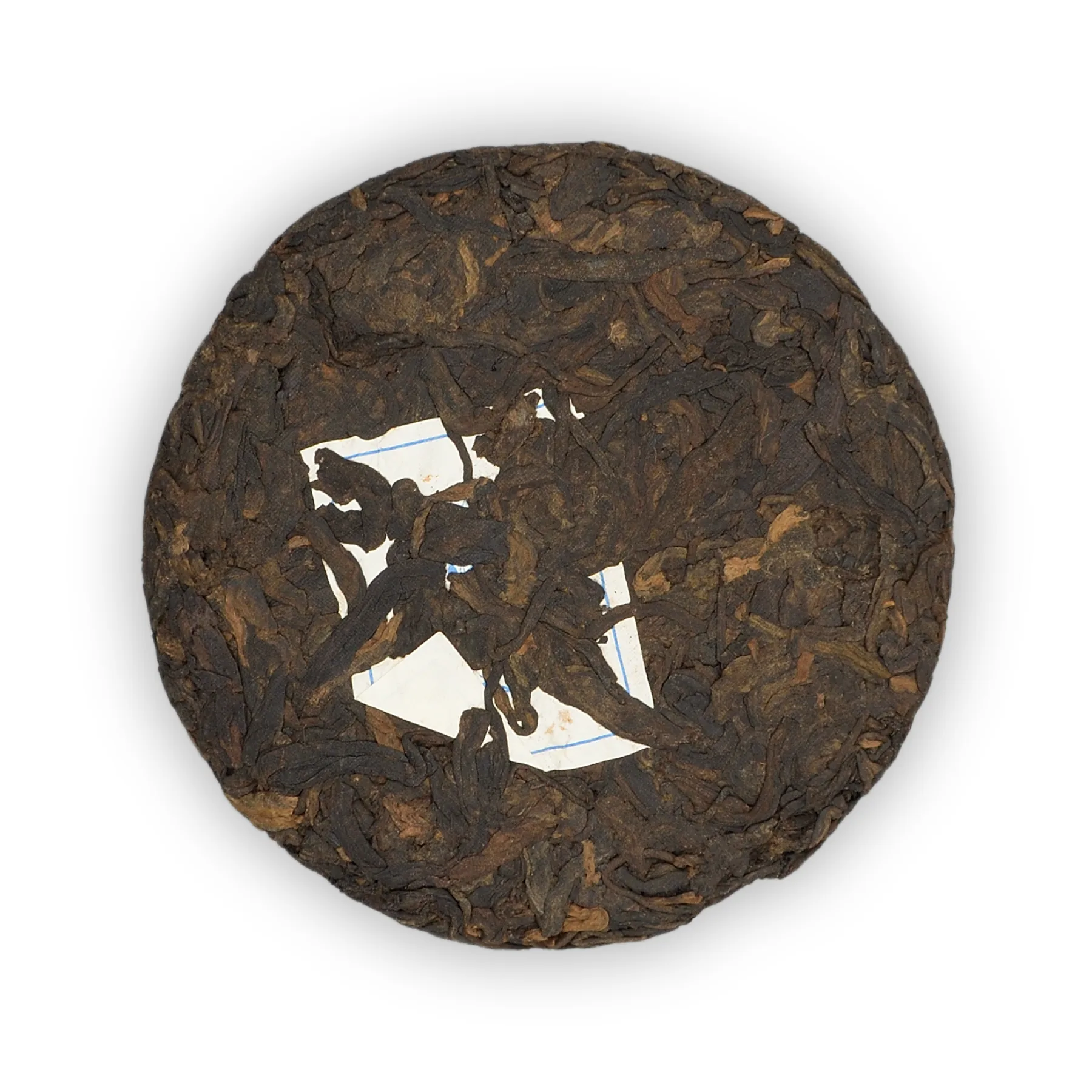
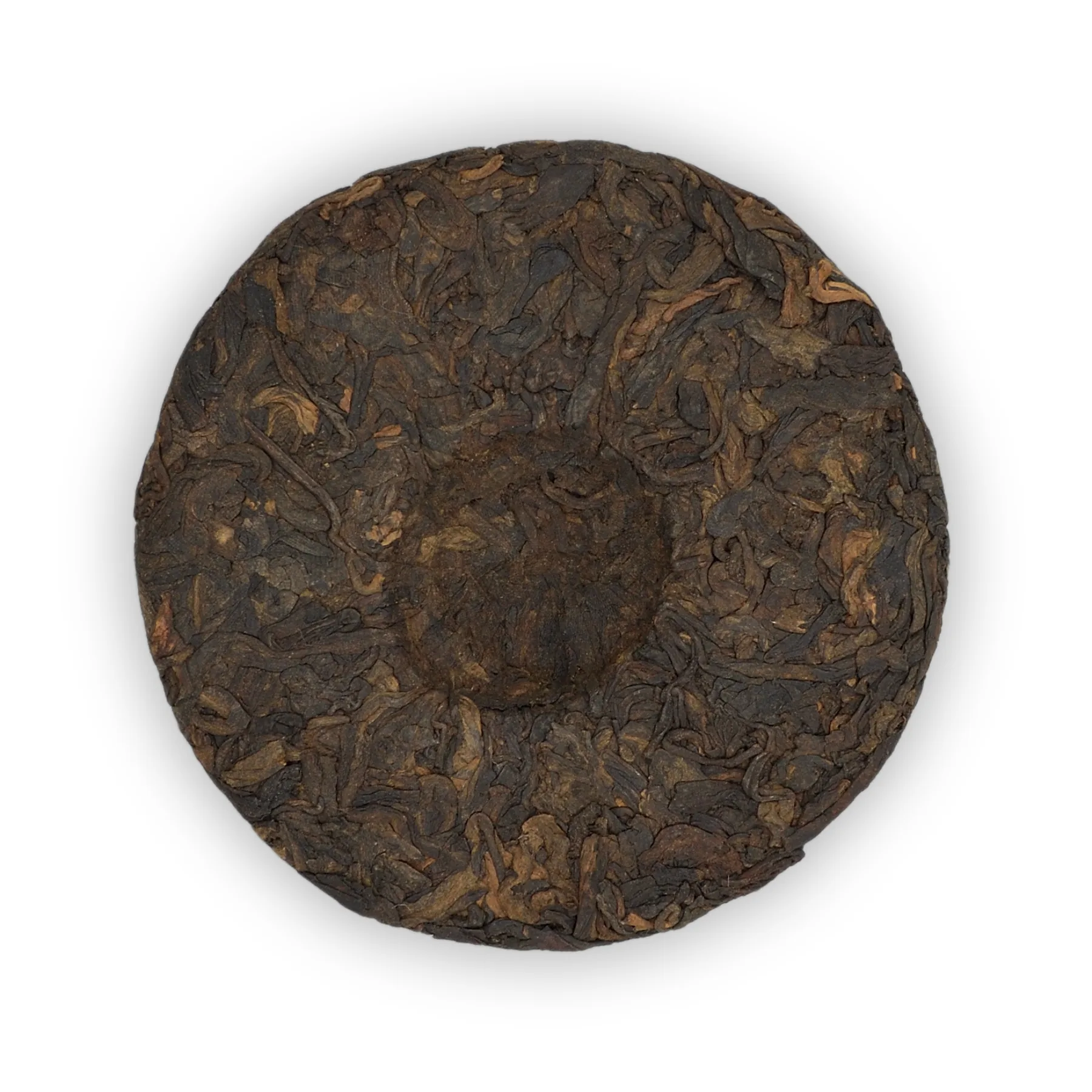
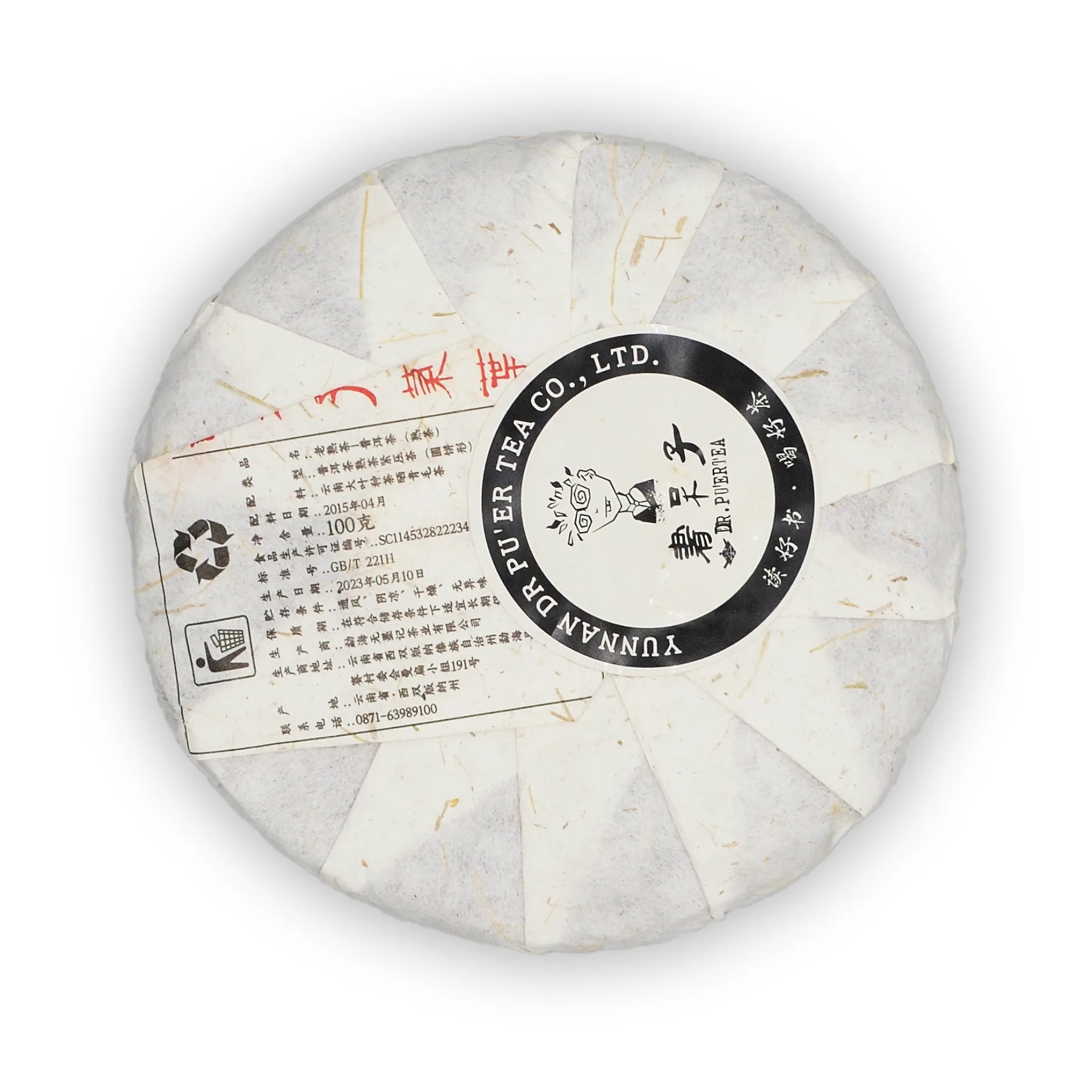
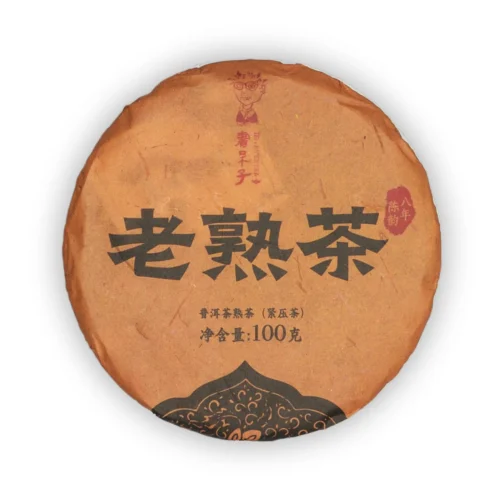
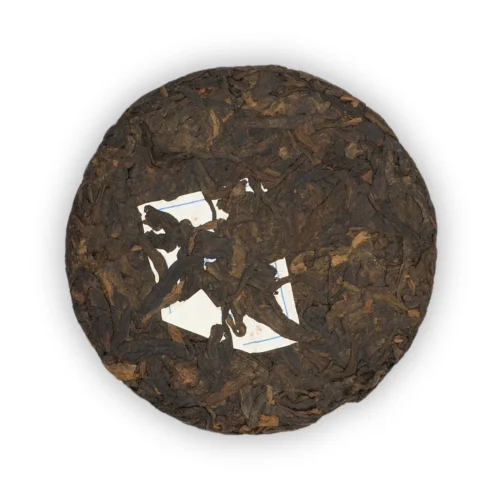
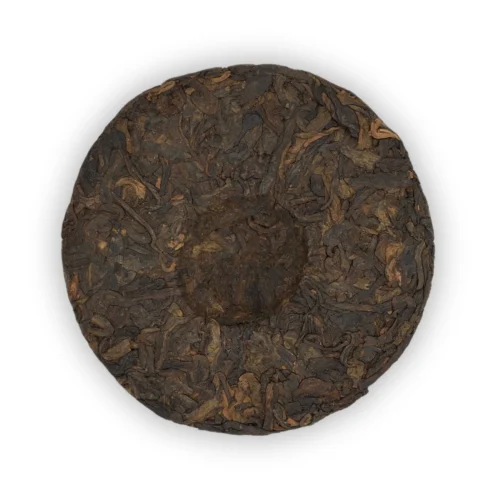
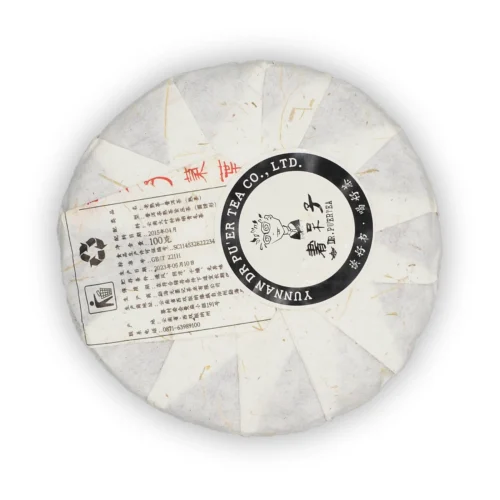

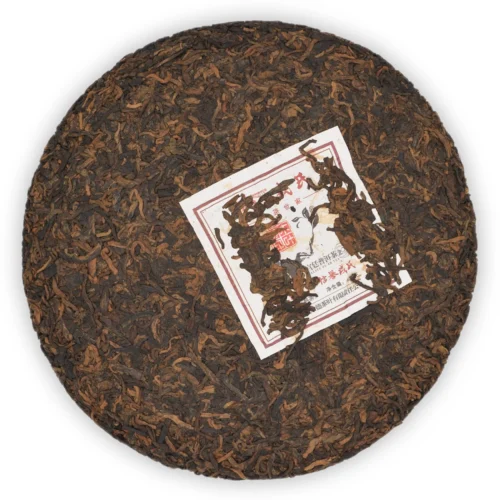
Shudaizi Lao Shu Cha 2023 Shu Pu-erh 100 g
49,00 zł
Shudaizi Lao Shu Cha 2023 is a Shu Pu-erh with a deep, mellow character. Its smooth, velvety infusion combines natural sweetness with a rich aroma and a full, pleasant texture.
In stock
Shudaizi Old Ripe Tea
Old Ripe Tea 老熟茶 (Lao Shu Cha) from the Shudaizi 书呆子 brand is a shu pu-erh from Menghai in Xishuangbanna, Yunnan province. It was made from sun-dried tea leaves from the spring harvest. The maocha used is of special grade according to the Chinese quality classification 特级 (teji) — a designation that refers mainly to the delicacy, size and appearance of the leaves and the presence of buds and stems, and usually indicates higher-grade material.
This material dates from 2015, and the finished cake was pressed in 2023. The packaging bears the description 八年陈韵 (ba nian chen yun) — “eight-year aged character” — emphasizing the tea’s maturity.
Old material, new pressing
One of the distinctive features of this tea is the technique 老料新压 (lao liao xin ya) — “old material, new pressing”. The process involves fermenting, sifting and storing the material in dry conditions, and then pressing it.
Material that has matured in storage gives the tea a more rounded, full profile and a distinct chen xiang 陈香 note.
A glutinous, full infusion — smooth and soft as jade
The infusion has a deep red-brown color; it is thick, glossy and full. On the palate comes the sweetness and softness characteristic of a well-developed shu. The texture is rounded, almost creamy, with a pleasant nuo gan 糯感 sensation — a delicate, glutinous fullness that stays on the tongue.
The key element of the aroma is chen xiang 陈香 — an aged note reminiscent of dry wood, calm aging and the depth of a well-matured pu-erh. The aroma lingers in the mouth and in the empty cup, yet keeps a clean character, without heavy or damp tones.
The finish is sweet, soft and long. This is a tea with a quiet, deep profile, without aggressive astringency.
Who is it for?
It is a good choice for those who look for smoothness, sweetness, depth and a distinct chen xiang note in shu pu-erh above all, but are not fond of the heavy character of teas stored in humid conditions.
It works well both for a calm gongfu session and as an everyday tea for long, unhurried drinking. The leaves hold up well to successive infusions, gradually revealing more and more sweetness and aromatic depth.
How to brew shu pu-erh
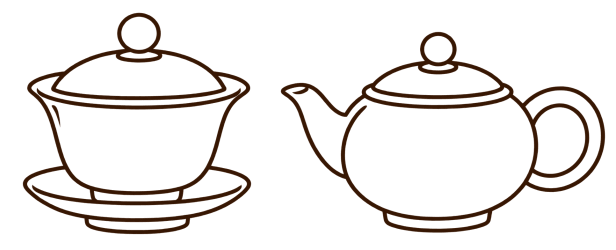
Gaiwan / small teapot: approx. 5–7 g of tea per 100 ml of water at 95–100°C (boiling). Give the leaves a quick rinse and discard it. First infusion 5–10 seconds, then gradually longer.
Mug: approx. 4–5 g of tea per 300 ml of water at 95–100°C. The infusion is ready after about 3–5 minutes. Shu is much more forgiving than sheng – it is hard to make it bitter, so you can safely brew it longer and stronger to suit your taste.
Pu-erh can be prepared in many different ways by changing the ratio of tea to water, the temperature and the steeping time. It is worth experimenting to find what suits your own taste best.
| Country of origin | China |
|---|---|
| Province | Yunnan |
| Cultivar | Da Ye Zhong |
| Harvest | 2015 |
| Year of pressing | 2023 |
| Tea type | Pu-erh Shu |
| Ingredients | 100% tea leaves |
| Net weight | 100 g |
| Storage instructions | Store in a cool, dry place, away from light, moisture and strong odors. |
Only logged in customers who have purchased this product may leave a review.
Related products
Shu Pu-erh (ripe)
Shu Pu-erh (ripe)
Shu Pu-erh (ripe)
Shu Pu-erh (ripe)
Shu Pu-erh (ripe)
Reviews
There are no reviews yet.