

 Polski
Bajiaoting (八角亭)
A legendary classic from the heart of Menghai
The producer and its history
The brand’s roots go back to 1955, when the state-owned Liming (黎明, “dawn”) farm was founded in Xishuangbanna. Tea processing began there in 1964, and in 1984 the Liming tea factory (黎明茶厂), modern for its time, was built on the site.
The factory is located in Mengzhe, Menghai County, one of the most important pu-erh regions. Rice fields and villages of the Dai people stretch across the valleys, while tea has grown for centuries on the slopes of the surrounding green mountains.
At first the factory produced green and black teas. Around the turn of the 2000s the Bajiaoting trademark was registered, and in 2001 the first pu-erhs appeared under this name. Two years later the factory switched entirely to pu-erh production. In 2013 the Liming name finally disappeared and the plant took the name of the brand: today it operates as Menghai Bajiaoting Tea Industry Co., Ltd. (云南农垦集团勐海八角亭茶业有限公司), part of Yunnan’s state-owned agricultural group.
Where does the name come from?
Bajiaoting (八角亭, ba jiao ting) means “Octagonal Pavilion”. The name refers to the Jingzhen Octagonal Pavilion in Mengzhe, a Buddhist building of the Dai people erected in the early 18th century and surrounded by local legends. According to local tradition, its shape reproduces the Buddha’s golden hat, and for centuries the pavilion was a place where monks gathered and where the most important religious ceremonies in the area were held.
Every element of the building has its meaning. The eight corners commemorate eight great monks, disciples of the Buddha, and the four gates facing the four cardinal directions symbolize Buddhist teachings spreading in all directions. The brand sees in this an image of its own tea too: from Mengzhe it is meant to reach people all over the world.
By choosing the name Bajiaoting, the company made a symbol of the land it comes from into its hallmark.
Style
In a pu-erh world dominated today by private companies, Bajiaoting remains the only large state-owned tea processing plant in the Menghai region.
The brand represents the classic, bold style of the great Yunnan factories. It produces both sheng and shu pu-erh, in the form of cakes, tuochas and bricks. Most of the leaf comes from the Bulang Mountains in the Menghai area, hence the characteristic “Menghai taste”: strong, distinctly astringent, with a deep aroma and full body. These are teas that showcase the tradition of factory pu-erh well, without marketing frills.
Why choose it?
Bajiaoting combines more than sixty years of tea tradition with the classic, strong character of Menghai teas. It is a good choice for those who value pu-erh that is bold, honest and rooted in history.
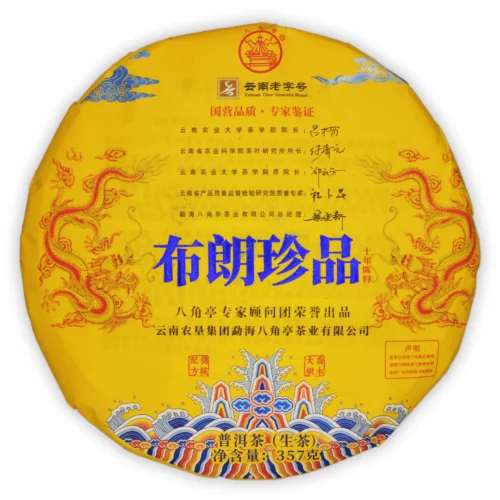
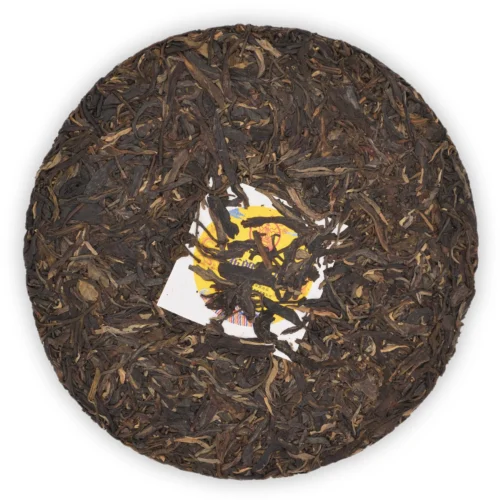
Sheng Pu-erh (raw)
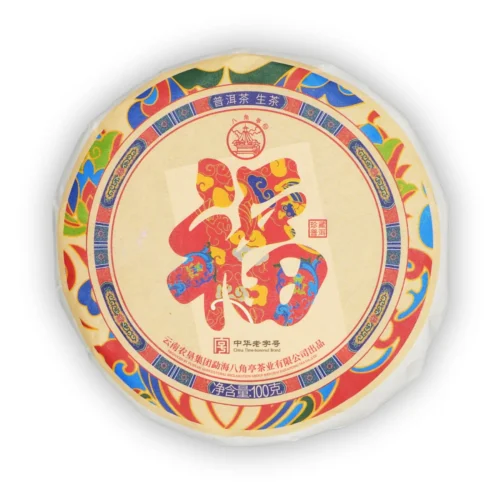
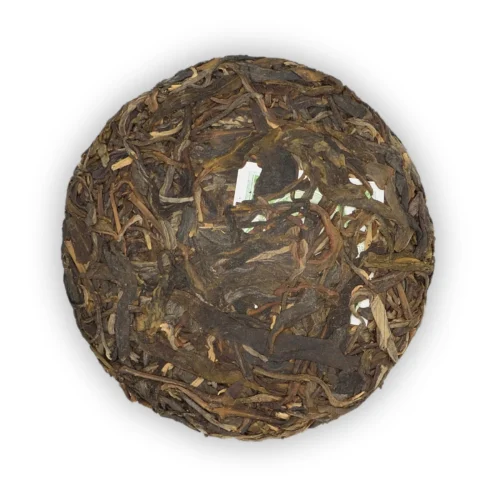
Sheng Pu-erh (raw)
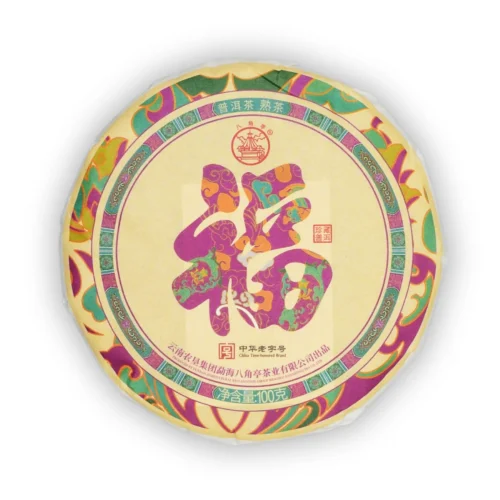
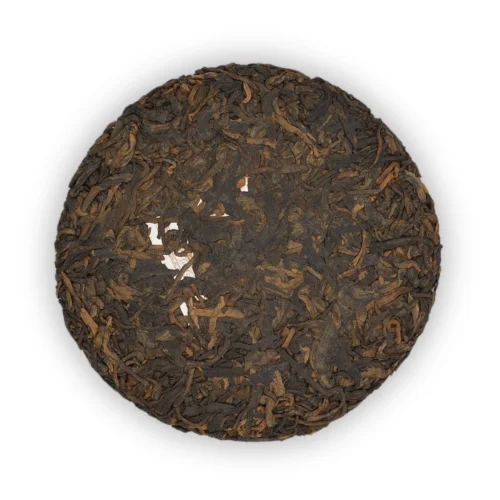
Shu Pu-erh (ripe)
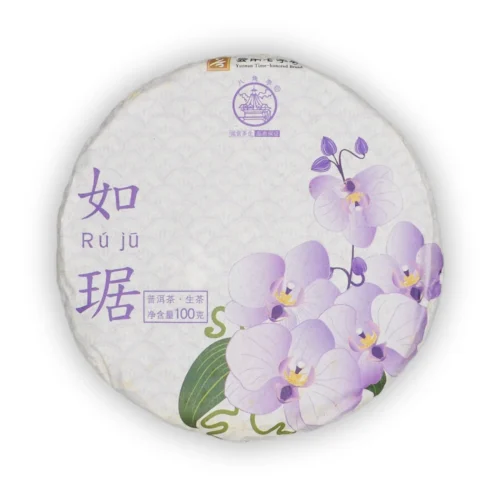
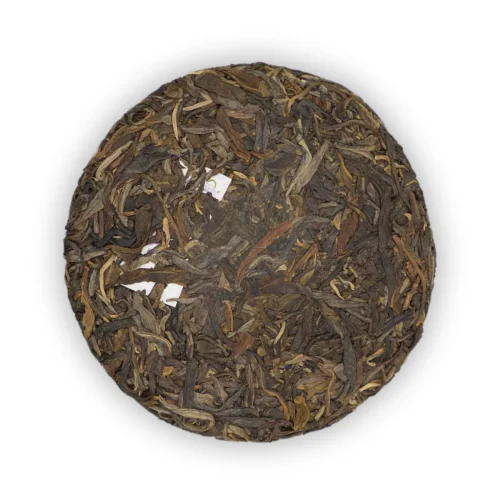
Sheng Pu-erh (raw)