

 Polski
Tulin Phoenix (土林凤凰)
Where earth sculpted by rain and wind meets legend, and tea takes wing
The producer and its history
The brand’s story begins in 1985 in Nanjian, a mountainous corner of Yunnan south of Dali, largely inhabited by the Yi people. It was here, at the foot of the Wuliang Mountains (无量山), that a state-owned tea factory was founded, and in the same year it created Phoenix Tuocha (凤凰沱茶). This pu-erh, pressed into a characteristic “nest” shape, remains the brand’s most recognizable product to this day. Just a year later the “Tulin” trademark was registered – the first trademark in the county’s history. Today this tradition is continued by Yunnan Tulin Tea Industry Co., Ltd., which still makes teas from leaves picked in the Wuliang Mountains.
Where does the name come from?
Tulin (土林) literally means “earth forest”. This is the name of remarkable formations of clay and sand that erosion has sculpted into soaring columns resembling a petrified forest. It is one of the most distinctive landscapes around Nanjian.
Phoenix (凤凰) is the fenghuang, a mythical bird of Chinese tradition and a symbol of harmony, prosperity and nobility. It is not the equivalent of the European phoenix reborn from its ashes. According to ancient beliefs, it appears to people only in times of peace and prosperity. The word fenghuang itself hides a pair: the character 凤 (feng) denotes the male and 凰 (huang) the female – so it is a symbol of the harmony of opposites.
In the name Tulin Phoenix, then, earth and sky meet – foundation and wings. The logo with a pair of fenghuang, 双凤 (shuang feng), signifies double prosperity and harmony, which lovers of the brand also find in the balanced taste of its teas.
Style
Tulin Phoenix specializes in sheng and shu pu-erh, with a particular attachment to the tuocha form. Its range also includes cakes (bing) and other pressed forms. The Wuliang Mountains remain the heart of the brand: high-altitude plantations and a varied microclimate favor teas with a distinct character. Depending on the recipe and the age of the tea, you may find a pleasant bitterness, minerality, sweetness and a long aftertaste in the cup. Some older vintages also show a subtle smoky note (烟香), a trace of old drying methods valued by many lovers of classic pu-erh.
Today’s Tulin teas are usually gentler and more approachable, which also makes them a good choice for those just starting their pu-erh journey.
Why choose it?
Tulin Phoenix is not a passing fashion, but a brand with more than forty years of history that grew out of the Yunnan tuocha tradition. Each of its teas tells a story of the Wuliang Mountains, craftsmanship and time, which leaves its most precious mark on it.
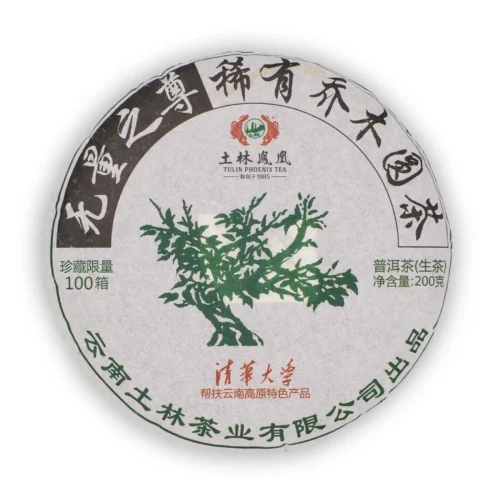
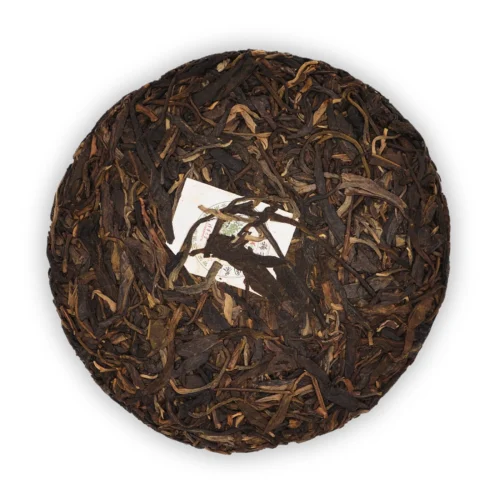
Sheng Pu-erh (raw)